
The Machinery of Observation
The IPCRESS FileCameras, films, fingerprints, and statistical records repeatedly shift between instruments of discovery and tools of deception.
increasing Bearing strength in each event
 decreasing
Bearing strength in each eventdecreasingWatching Jay
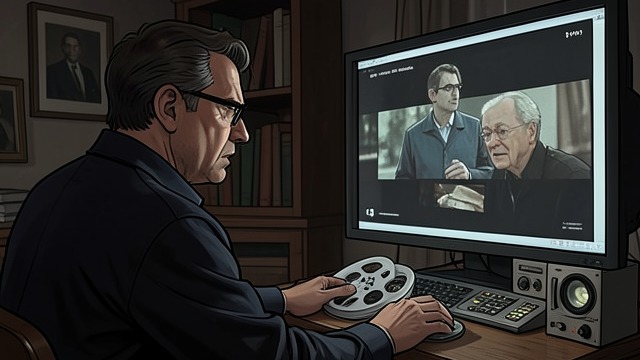
Watching Jay
The Camera’s Promise
The staff study films of Jay to learn his appearance and habits. Repeated viewing seems to convert a distant suspect into someone the narrator can recognize instantly.
The Limits of Observation
The footage provides no direct access to Jay’s purpose, and the narrator’s familiarity may create false confidence. Images are selective records produced by people with their own motives.
The surveillance training introduces both the practical value and interpretive limits of visual evidence.
The Criminal Record Match
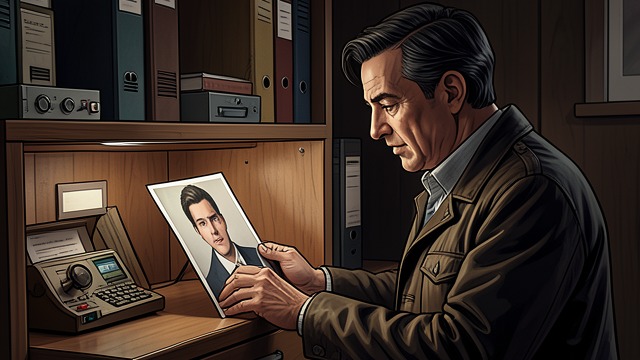
The Criminal Record Match
A Face Recognized
A constable identifies Housemartin from a photograph in a special record collection, although there is no ordinary criminal card under his name. The rare recognition exposes a false uniform.
Luck in the Archive
A database designed for later reference produces an unexpected live lead. The discovery depends on human memory as much as institutional records.
The event shows that a surveillance archive can reveal a disguise, but only through chance and attention.
The Film in the House
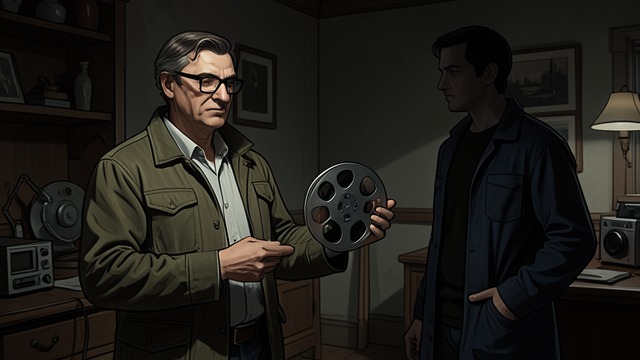
The Film in the House
An Unexplained Reel
Investigators search a hidden property and recover evidence connected to recording and observation. The narrator must distinguish material belonging to the occupants from items that may have been planted or moved.
Institutional Competition
Some material is shown to Ross before the narrator understands its significance. The distribution of the evidence becomes as important as the evidence itself.
The episode makes ownership and interpretation part of the surveillance problem.
The High-Speed Picture
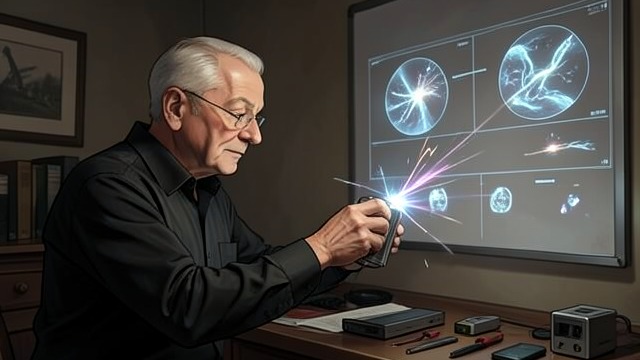
The High-Speed Picture
A Recording System Explained
The Brigadier shows how rapid electrical impulses can transmit images from the island. The technology was intended to capture a changing event that a still photograph could not explain.
Images Altered by Context
The film’s apparent evidence depends on which cameras functioned and how the equipment was positioned. A technically precise recording can still be misleading when its field of view is manipulated.
The test exposes the difference between a clear image and a truthful account.
The Statistical Image
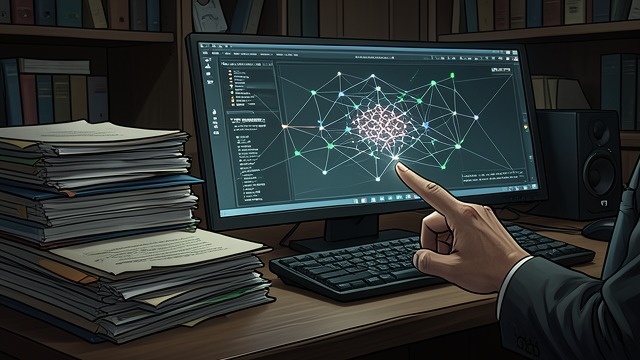
The Statistical Image
Patterns Across Records
Carswell’s analysis joins records that individually appear meaningless, revealing clusters and recurring characteristics. The IBM system and statistical reasoning make hidden relationships visible.
The Risk of Correlation
The same capacity to correlate can encourage investigators to mistake coincidence for proof. The narrator’s initial skepticism reminds the reader that a pattern requires interpretation and corroboration.
The novel treats data as powerful but not self-explanatory.
During the narrator’s initial surveillance training
On the evening Housemartin is brought to Shoreditch
During the search of 42 Acacia Drive
During the Brigadier’s screening after the Tokwe test
After the network is exposed, during review of Carswell’s work
